

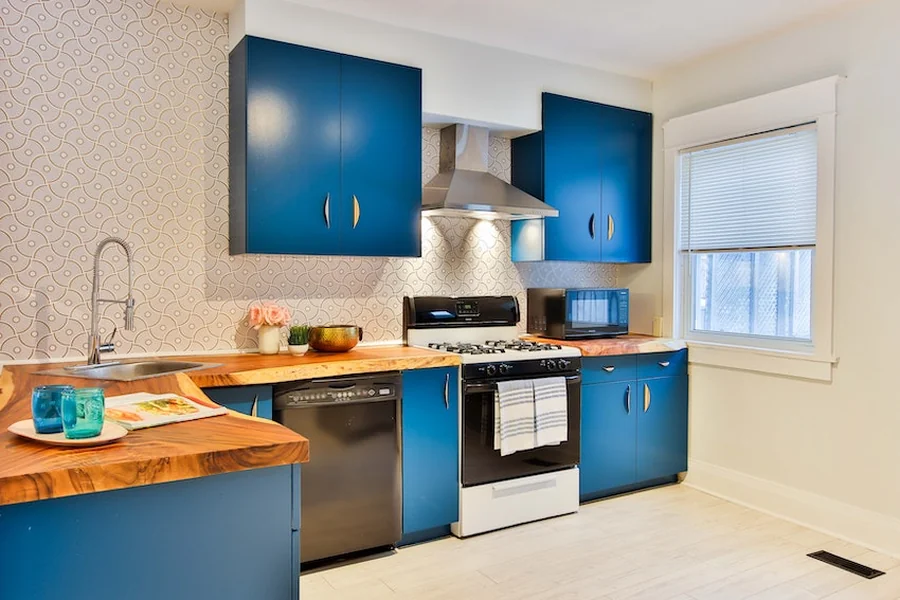
Small living spaces are becoming increasingly common in urban environments, and with the right design approach, they can be some of the most desirable properties on the market. Limited square footage does not necessarily mean limited value. In fact, well-designed small homes and apartments often outperform larger but poorly optimized properties when it comes to buyer interest and resale price.
The key is to focus on improvements that maximize functionality, enhance visual space, and create a modern, cohesive aesthetic. The following home improvement projects are specifically chosen for small spaces and are known to improve both livability and property value.
1. Multi-Functional Furniture Solutions
In small spaces, every piece of furniture should ideally serve more than one purpose. Multi-functional furniture allows homeowners to maximize usability without overcrowding the room.
Common examples include:
- Sofa beds that convert living rooms into guest spaces
- Coffee tables with built-in storage compartments
- Folding dining tables mounted to walls or extendable designs
- Beds with integrated drawers or hidden storage underneath
These pieces help reduce clutter while increasing practicality. From a buyer’s perspective, a flexible layout makes a small home feel significantly more valuable because it suggests efficient use of space.
2. Built-In Storage and Custom Organization
Storage is one of the most important factors in small-space design. Homes that feel organized and uncluttered always appear larger and more expensive.
Effective upgrades include:
- Floor-to-ceiling shelving units
- Custom closet systems tailored to vertical space
- Built-in cabinets around architectural features such as windows or alcoves
- Under-stair storage compartments in duplex or loft layouts
Built-in storage is especially valuable because it blends into the architecture rather than standing out as separate furniture. This creates a clean, intentional look that is highly attractive to buyers.
3. Open Layout Improvements
Where structural conditions allow, opening up a small space can dramatically improve its feel and functionality. Removing unnecessary barriers helps create better flow and allows natural light to travel further through the home.
Some effective strategies include:
- Removing non-load-bearing walls
- Replacing solid partitions with glass dividers
- Using open shelving instead of upper kitchen cabinets
- Widening doorways to improve visual continuity
Even partial openness can make a noticeable difference. Buyers tend to associate open layouts with modern living, which increases perceived value.
4. Lighting Design Enhancements
Lighting plays a crucial role in how large or small a space feels. A well-lit home always appears more spacious and inviting.
Key improvements include:
- Layered lighting with ambient, task, and accent sources
- Recessed ceiling lights to avoid visual clutter
- Wall-mounted fixtures instead of floor or table lamps
- LED strip lighting under cabinets or shelves for subtle depth
Maximizing natural light is equally important. Replacing heavy curtains with lighter fabrics or using reflective surfaces can significantly brighten interiors and expand the perceived space.
Beyond internal updates like painting or shelving, protecting the structural integrity of your property is a high-yield investment. Effective water management prevents foundation erosion and costly landscaping repairs, making exterior maintenance a priority for savvy owners. Professional services such as a gutter install fort wayne ensure that heavy rainfall is directed safely away from the building’s footprint. This small-scale preventative measure offers significant long-term peace of mind while preserving the home’s curb appeal. By addressing these critical exterior details alongside interior renovations, you create a well-rounded strategy for boosting market value and ensuring the longevity of your living space.
5. Neutral and Light Color Palettes
Color choice has a major psychological impact on spatial perception. Light and neutral tones help reflect light and make rooms feel open and airy.
Recommended approaches:
- White, cream, light gray, and soft beige walls
- Consistent color schemes across rooms for visual flow
- Subtle accent walls used sparingly for depth
A fresh coat of paint is one of the most cost-effective upgrades available. It instantly modernizes a space and removes signs of wear, which is highly appealing to potential buyers.
6. Kitchen Optimization for Compact Spaces
The kitchen is often a deciding factor in property value. In small homes, efficiency and smart design are essential.
Practical improvements include:
- Slim appliances designed for compact layouts
- Pull-out pantry systems for better organization
- Wall-mounted storage for utensils and tools
- Compact cooktops or combination appliances
- Extendable or foldable countertop surfaces
Even minor upgrades, such as replacing cabinet doors or handles, can significantly improve the kitchen’s appearance and perceived quality.
7. Bathroom Space Efficiency
Bathrooms in small properties benefit greatly from minimalist and functional design choices. Clean, efficient layouts make the space feel larger and more comfortable.
Effective improvements include:
- Wall-mounted toilets and sinks
- Frameless glass shower enclosures
- Floating vanities that create visible floor space
- Large mirrors to enhance depth
- Compact shelving for essentials
- Space-saving bidet attachments for improved functionality without taking up additional space
Upgrading fixtures such as faucets and lighting can also give the bathroom a modern, high-end feel without requiring a full renovation.
8. Mirrors and Visual Expansion Techniques
Mirrors are one of the simplest yet most powerful tools in small-space design. They reflect light and create the illusion of depth.
Strategic placement ideas:
- Opposite windows to maximize natural light reflection
- In narrow hallways to widen visual perception
- Behind furniture to add depth to living areas
Glass furniture and reflective finishes can further enhance this effect, making rooms feel brighter and more open.
9. Consistent Flooring Throughout the Home
Disjointed flooring can visually break up a small space and make it feel even smaller. Using a consistent flooring style helps create continuity.
Popular options include:
- Light wood or wood-effect laminate
- Large-format tiles with minimal grout lines
- Vinyl planks designed to mimic natural materials
A unified flooring approach improves flow between rooms and helps the space feel larger and more cohesive.
10. Smart Home Features
Technology has become a major selling point in modern real estate. Even in small homes, smart upgrades can significantly increase appeal.
Useful additions include:
- Smart thermostats for energy efficiency
- App-controlled lighting systems
- Smart locks for convenience and security
- Voice-controlled home assistants
- Energy monitoring devices
These features signal a modern, efficient lifestyle, which is especially attractive to younger buyers and urban professionals.
11. Outdoor Space Optimization
If a small outdoor area is available, such as a balcony or compact terrace, it can become a major value booster when properly designed.
Improvement ideas:
- Vertical gardens to save space
- Foldable outdoor furniture for flexibility
- Weather-resistant flooring for durability
- Ambient lighting for evening use
Even a small outdoor corner can function as an additional living area when designed thoughtfully, increasing the overall usable space of the property.
12. Minimalism and Decluttering Strategy
One of the most powerful improvements requires no construction at all. Decluttering and adopting a minimalist approach can completely transform how a small space feels.
Key principles include:
- Keeping surfaces clean and open
- Reducing unnecessary decorative items
- Storing rarely used belongings out of sight
- Choosing furniture with simple, clean lines
A minimalist environment not only looks larger but also helps potential buyers imagine their own belongings in the space more easily, which can positively influence purchasing decisions.
Improving small spaces is less about adding square footage and more about using existing space intelligently. Through thoughtful design choices such as multi-functional furniture, built-in storage, lighting optimization, and consistent aesthetics, even the smallest property can feel spacious and highly desirable.
These upgrades do more than improve day-to-day comfort. They directly influence how a property is perceived on the market, often leading to faster sales and higher prices. In competitive urban housing markets, well-designed small spaces are not a disadvantage—they are an opportunity.
By focusing on smart, targeted improvements, homeowners can ensure that every square meter contributes to both livability and long-term property value.
