

Reliable backup power has become essential for modern homes. Power outages can happen unexpectedly, and families often seek dependable solutions to keep their homes comfortable and safe. Many homeowners opt for standby generator installation, so their critical appliances continue to run during outages.
A properly installed system ensures a smooth transition from regular power to backup power. The installation process involves several essential steps, including planning, obtaining permits, and setting up the equipment.
This blog outlines the typical steps to help you understand how the process unfolds from the initial visit to the final setup.
Standby Generator Installation Timeline From Start to Finish
Initial Consultation and Home Power Assessment
The process usually starts with a professional checking the home’s electrical needs. During this time, technicians assess the power requirements of major appliances and systems. This helps determine the best size of backup generator.
They also inspect the property to identify a suitable location for the generator. The right spot for home standby generator installation supports ventilation, access, and safety. Considerations include distance from windows, outdoor space, and proximity to fuel sources.
After the assessment, experts recommend the best system setup. This allows homeowners to see how the generator will support their homes during power outages.
Permits and Local Approvals for Generator Installation
Local regulations require permits before installing large electrical equipment at home. Thus, the installation team is responsible for obtaining the required permits for electrical installations, fuel connections, and zoning permits.
The authorities check the plans to ensure they are safe and comply with local standards. Securing these approvals allows the work to proceed safely and properly. It also helps ensure the system complies with all safety and building codes.
Ordering the Generator and Preparing the Site
Once permits are obtained, the selected generator is ordered and scheduled for delivery. Meanwhile, the site where the generator will be installed is prepared. Preparation involves clearing the area and building a solid base or pad for the generator to sit on.
Technicians also verify that there is adequate ventilation space and that maintenance access is straightforward. Plans are developed for electrical and fuel connections, ensuring everything is in place for the next step: installing and connecting the equipment.
Standby Generator Installation Day
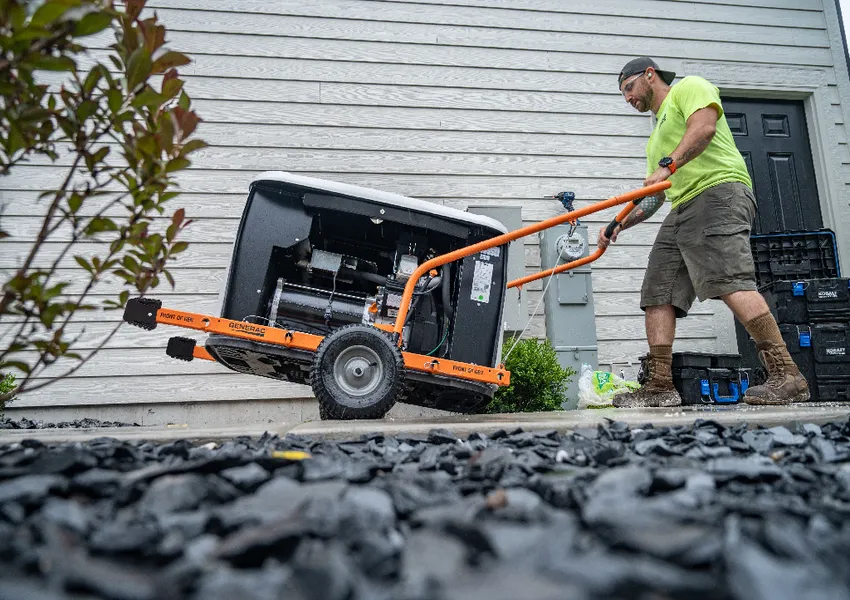
Once everything is delivered and in place, technicians move the generator to its designated location. The generator is checked and positioned in line with the electrical and fuel connections. The electricians install an automatic transfer switch.
This switch allows the generator to switch from public electrical power to generator power during a blackout. Fuel lines are installed if the generator uses natural gas or propane. Proper connections ensure a reliable fuel supply when needed.
Power Shutdown During Final Electrical Connection
Sometimes, power needs to be temporarily turned off when finishing electrical connections. The generator’s wiring is connected to the home’s electrical panel via the transfer switch. Technicians follow safety rules while doing this.
They work carefully to keep the electrical system stable once the work is done. Short power cuts during this setup are normal. Once finished, the generator becomes part of the home’s electrical system.
System Testing and Final Inspection
After installation, the system is tested to make sure all parts work correctly. This is done by running the generator, among other tests. These tests ensure the generator is running properly and that there is a smooth transition between power sources.
This ensures that everything is in order and that one is ready for any future power outages. Once complete, the generator is ready to operate during future power outages.
Final Setup After Installation
The last step is to check that everything is working as expected after the installation. This will be done by the technicians, who will check all connections to ensure the system works as expected with power changes. Additionally, the homeowners will be advised on how to use the generator and its essential features.
Having proper installation knowledge also benefits homeowners by making them more prepared to handle unexpected situations. By understanding the system, you can trust the generator to operate correctly during power outages.
Conclusion
Having backup power helps families stay comfortable and safe during unexpected power outages. A careful installation ensures the system is safe and reliable. Installing a standby generator by a professional involves several important steps, including planning, obtaining permits, installing the system, and testing.
These steps will ensure the device is compatible with the house’s electrical system. With proper planning and help, it is possible to use a generator to power necessary appliances in a house during a power outage.
