

Introduction
The digital world is filled with unique URLs, file paths, and content identifiers that often appear confusing to everyday users. One such example is content://cz.mobilesoft.appblock.fileprovider/cache/blank.html. While it may look like a complicated web address, it actually serves a specific function within Android devices and applications.
Many users encounter content://cz.mobilesoft.appblock.fileprovider/cache/blank.html when using productivity tools, website blockers, or app management software. Seeing this path unexpectedly can lead to questions about its purpose, safety, and role within a device. Understanding how Android content providers work can make this identifier much easier to understand.
What Is content://cz.mobilesoft.appblock.fileprovider/cache/blank.html?
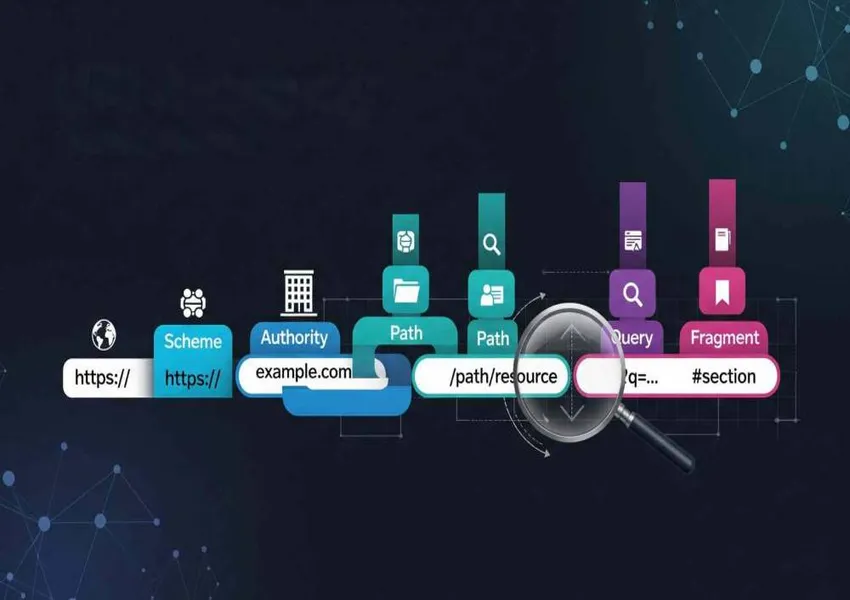
The path content://cz.mobilesoft.appblock.fileprovider/cache/blank.html is not a traditional website URL. Instead, it is a content URI used by Android applications. A content URI allows apps to securely share files and data internally without exposing direct file system locations.
Breaking it down helps clarify its structure:
- content:// indicates that the resource is being accessed through an Android content provider.
- cz.mobilesoft.appblock.fileprovider refers to the file provider associated with the AppBlock application.
- cache identifies a temporary storage location.
- blank.html is an HTML file stored within that cache.
This structure allows the application to display or redirect content in a controlled manner.
The Role of AppBlock
AppBlock is a productivity application designed to help users reduce distractions. It allows individuals to block websites, applications, and notifications during specific periods.
When a blocked website is accessed, the application may use content://cz.mobilesoft.appblock.fileprovider/cache/blank.html as a placeholder page. Instead of displaying the requested website, the app loads a blank or restricted page.
This approach helps ensure that blocked content remains inaccessible while maintaining smooth functionality within the browser or application environment.
Why Users Encounter This Path
There are several reasons why users may notice content://cz.mobilesoft.appblock.fileprovider/cache/blank.html on their devices.
Website Blocking
The most common reason is website restriction. When AppBlock prevents access to a selected website, it may redirect the browser to a cached blank page.
Application Restrictions
Certain applications may trigger the same behavior when they attempt to access blocked web content. The placeholder page prevents the original content from loading.
Temporary Cache Management
Android applications frequently use cached files to improve performance. A blank HTML file can be stored temporarily and loaded when necessary.
Productivity Sessions
Many users schedule focus sessions where distracting websites become unavailable. During these periods, content://cz.mobilesoft.appblock.fileprovider/cache/blank.html may appear repeatedly.
Is It Safe?
A common concern is whether content://cz.mobilesoft.appblock.fileprovider/cache/blank.html indicates malware or unauthorized activity. In most situations, the answer is no.
The path is generally associated with legitimate functionality within the AppBlock application. Since it operates through Android’s content provider framework, it follows standard application security practices.
Users should only become concerned if:
- The application was installed from an untrusted source.
- Unexpected behavior occurs throughout the device.
- Security software reports suspicious activity.
- Permissions appear excessive or unrelated to the app’s purpose.
When AppBlock is downloaded from official sources, the appearance of this content URI is typically normal.
How Android Content Providers Work
Android uses content providers to enable secure sharing of data between applications.
Instead of giving direct access to internal files, an app creates a content URI that can be accessed through controlled permissions.
Benefits include:
Enhanced Security
Applications do not expose sensitive file locations.
Better Compatibility
Different apps can interact without needing direct file system access.
Controlled Permissions
Developers can determine exactly what data may be shared.
The URI content://cz.mobilesoft.appblock.fileprovider/cache/blank.html is an example of this architecture in action.
Common Situations Where It Appears
During Focus Mode
Users often activate focus modes to reduce distractions. Accessing blocked websites during these sessions may result in the blank page appearing.
Browser Redirection
When a restricted URL is requested, the browser may be redirected to the cached HTML file.
Scheduled Blocking Sessions
Automatic schedules can trigger website restrictions even when users forget that blocking rules are active.
Educational or Workplace Use
Organizations that use productivity tools may configure restrictions that utilize similar placeholder pages.
Troubleshooting the Issue
If content://cz.mobilesoft.appblock.fileprovider/cache/blank.html appears unexpectedly, several troubleshooting steps may help.
Check AppBlock Settings
Review active blocking rules and schedules.
Verify Website Restrictions
Determine whether the website being accessed has been added to a block list.
Clear Cache
Clearing application cache may resolve temporary display issues.
Restart the Device
A simple reboot can refresh application processes.
Update the Application
Running the latest version ensures compatibility and stability.
Benefits of Using Placeholder Pages
Placeholder pages such as content://cz.mobilesoft.appblock.fileprovider/cache/blank.html offer several advantages.
Reduced Distractions
Users remain focused on tasks without accessing blocked content.
Faster Performance
A lightweight blank page loads quickly.
Consistent User Experience
Blocked content is handled uniformly across different websites.
Improved Productivity
The approach supports digital wellness and time management goals.
Understanding the Technical Side
From a technical perspective, content://cz.mobilesoft.appblock.fileprovider/cache/blank.html demonstrates how Android applications leverage content providers and cached resources.
Rather than generating a new page each time content is blocked, the application can reuse an existing cached HTML file. This reduces processing requirements and improves efficiency.
Developers frequently employ similar techniques in productivity, security, and parental-control applications.
Conclusion
The appearance of content://cz.mobilesoft.appblock.fileprovider/cache/blank.html may initially seem confusing, but it generally serves a practical purpose within Android devices. Most commonly associated with the AppBlock productivity application, it functions as a placeholder page used when websites or content are restricted.
By understanding how content providers, cached files, and blocking mechanisms work, users can better interpret why this URI appears. In most cases, it represents normal application behavior designed to support productivity, focus, and effective device management rather than any security concern.
