

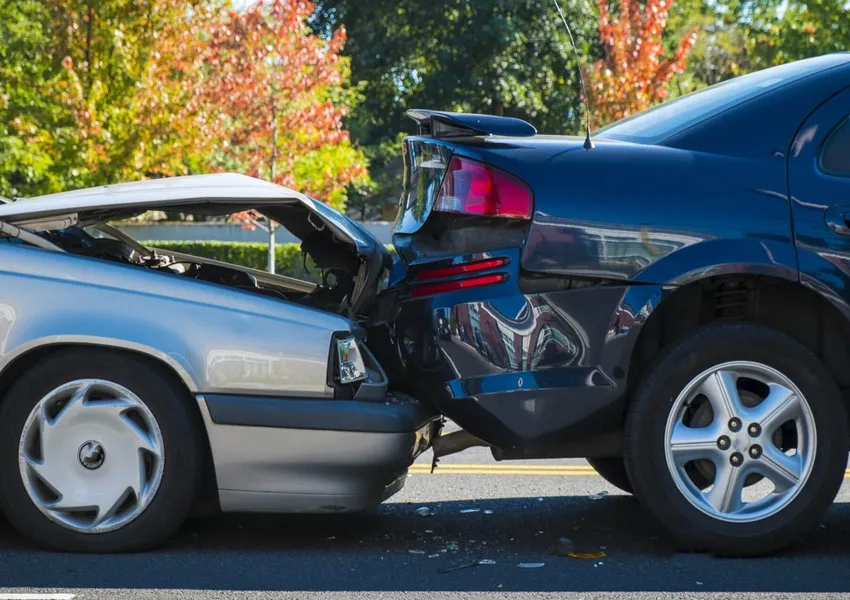
You might be staring at medical bills, car repair estimates, and insurance letters, wondering how any of this is supposed to add up to something fair. Before the crash, life was predictable enough. Now you are in pain, missing work, dealing with insurance adjusters, and trying to guess what a Nevada car accident settlement or the average payout for a Nevada car accident claim is actually “worth.”end
If you are feeling overwhelmed, second guessing yourself, or afraid of being taken advantage of, that reaction is normal. The process is confusing on purpose. Insurance companies understand that most people have never done this before, and they use that to their advantage.
Here is the short version of what you need to know. The value of a Nevada car accident settlement is shaped by several key factors. Things like how badly you were hurt, how clear the fault is, how much insurance is available, and how your injuries affect your daily life. Nevada law places some limits on certain kinds of damages, but it also gives you rights you may not realize you have. Once you understand these moving parts, you can make calmer, smarter decisions about what to do next.
How Do Fault And Nevada Law Shape Your Settlement Value?
Everything starts with a simple but stressful question. Who was at fault, and can you prove it. In Nevada, fault is based on “comparative negligence.” This means your settlement can be reduced if you are found partly responsible for the crash. If you are more than 50 percent at fault, you usually cannot recover anything from the other driver.
Imagine this. You are stopped at a light and get rear ended, but the other driver claims you stopped “too suddenly.” Or you were hit in an intersection, and now both drivers are blaming each other. Because of this tension, you might wonder whether the whole case will come down to a “he said, she said” argument.
Evidence is what breaks that tie. Photos at the scene, skid marks, dashcam footage, black box data from vehicles, witness statements, and the police report can all push the fault needle in your favor. The stronger your proof, the stronger your settlement value. Insurance adjusters do not pay full value on cases they think they can fight or confuse.
Nevada law also affects value in quieter ways. For example, the Nevada Revised Statutes on liability and damages, including NRS Chapter 41 and related sections, explain who can be held responsible and what types of damages can be claimed. There are special rules for claims involving government entities and certain types of non economic damages. Understanding these rules early helps you avoid common traps, such as missing strict notice deadlines or assuming you cannot sue a particular party.
How Do Your Injuries And Daily Life Losses Factor In?
Medical bills are only part of the story. Two people can have the same diagnosis on paper, yet very different settlement values, because the impact on their lives is different.
Think of a delivery driver who breaks a leg in a crash. Walking, lifting, and climbing into a truck are their livelihood. Now picture an office worker with the same fracture who can work from home while recovering. The medical treatment might cost about the same, but the wage loss, the future earning issues, and the emotional impact are not equal.
In a Nevada auto accident settlement, adjusters and juries look at several categories of damages.
- Past medical expenses and the cost of future treatment
- Lost wages and reduced earning capacity
- Pain, suffering, and loss of enjoyment of life
- Scarring, disfigurement, and permanent limitations
- Out of pocket expenses like prescriptions, travel to appointments, or home modifications
Non economic damages, such as pain and suffering or emotional distress, can be just as significant as the medical bills. Nevada allows these claims in most car crash cases. However, there can be limits in specific situations, such as some government related claims, which are further discussed in resources like the Nevada Law Library materials on Chapter 41.
Because pain, fear, and loss of independence are hard to put into numbers, insurance companies often try to minimize them. That is one of the main reasons people feel that low settlement offers are almost insulting. Your experience is being reduced to a quick formula.
How Do Insurance Coverage And Policy Rules Change The Numbers?
Even if your case is strong, the available insurance coverage can put a ceiling on what you actually recover. Nevada drivers must carry minimum auto liability coverage, but those minimums are often far below what a serious injury costs.
If the at fault driver only has minimum coverage, and your medical bills and lost wages are already higher than that limit, you might feel stuck. This is where your own policy becomes important. Uninsured and underinsured motorist coverage, medical payments coverage, and other benefits can help fill the gap.
The Nevada Division of Insurance publishes guidance about required and optional coverages. For example, the state’s auto insurance consumer guide, such as the one found in the 2025 Nevada Auto Insurance Guide, explains how these coverages work together. Many people do not realize they can turn to their own policies after a crash caused by someone else.
There is also a timing factor. Insurance companies know that medical bills create pressure. Early offers tend to be low, made before the full extent of your injuries is clear. Once you sign a release, you cannot go back for more, even if you later need surgery or miss more work than expected.
Should You Handle A Nevada Car Crash Claim Alone Or Get Help?
You may be weighing whether to manage the claim yourself or involve a personal injury lawyer. That choice can affect both stress levels and case value. Here is a simple comparison to help frame the decision.
| Issue | Handling Claim On Your Own | Working With A Personal Injury Lawyer |
|---|---|---|
| Understanding Nevada law and damages | You rely on online research and what the adjuster tells you. Risk of missing certain categories of damages or special rules. | Legal rules, including those in chapters like NRS 42 on certain damages, are interpreted and applied for you. Better chance of capturing all potential claims. |
| Dealing with insurance adjusters | You handle all calls and letters. Easy to be pressured into quick statements or low offers. | Lawyer screens communications, manages strategy, and negotiates. Less emotional wear and tear. |
| Valuing pain, suffering, and future losses | Hard to know a fair range. You may focus only on current bills. | Use of medical records, expert opinions, and experience with similar cases to estimate a realistic range. |
| Time and stress | Significant personal time spent tracking documents, deadlines, and negotiations. | Most of the administrative and legal load is shifted off your shoulders. |
| Final settlement amount | May resolve more quickly, but often for less, especially in moderate or serious injury cases. | May take longer, but often results in a higher car accident settlement value, even after fees, when injuries are significant. |
So where does that leave you. It comes down to the severity of your injuries, how comfortable you are negotiating, and how much risk you are willing to take on your own.
Three Concrete Steps You Can Take Right Now
- Document everything in real time
Start a simple folder, physical or digital. Keep medical records, bills, receipts, and any letters or emails from insurance companies. Write down pain levels, sleep problems, missed workdays, and activities you cannot do anymore. This personal record often becomes powerful evidence when it is time to explain how the crash affected your life and to support your personal injury lawyer in valuing the case.
- Be careful with insurance statements and releases
Before giving a recorded statement or signing anything from an insurance company, pause. You are allowed to ask for time to review documents. Do not guess about your injuries or say you are “fine” if you are still in pain. Early comments can be used later to argue that you were not really hurt. If you feel pressured, that is a sign you should slow down and possibly seek legal advice.
- Get a case specific evaluation of your settlement range
Every crash is different. Two cases that look similar from the outside can have very different settlement values once medical history, future treatment, and fault disputes are understood. A focused review with an experienced Nevada injury attorney can help you understand a realistic range for your auto accident settlement, identify additional insurance coverage, and spot legal issues you might not see on your own.
Finding A Way Forward After A Nevada Car Accident
You did not choose this situation. One moment you were driving, and the next you were injured, frightened, and thrown into a system that feels cold and confusing. It is completely reasonable to feel angry, discouraged, or afraid of making the wrong move.
Understanding the main factors that influence the value of a Nevada car accident settlement gives you back some control. Fault, injuries, daily life impact, insurance limits, and Nevada’s damage rules all play a part. When you know how these pieces fit together, you can push back against low offers and make decisions that protect your future rather than just surviving the present moment.
You do not have to rush into a decision, but you also do not need to face this alone. Support from medical professionals, family, and a trusted legal advocate can lighten the load and help you move from uncertainty toward a fair and thoughtful resolution.
