

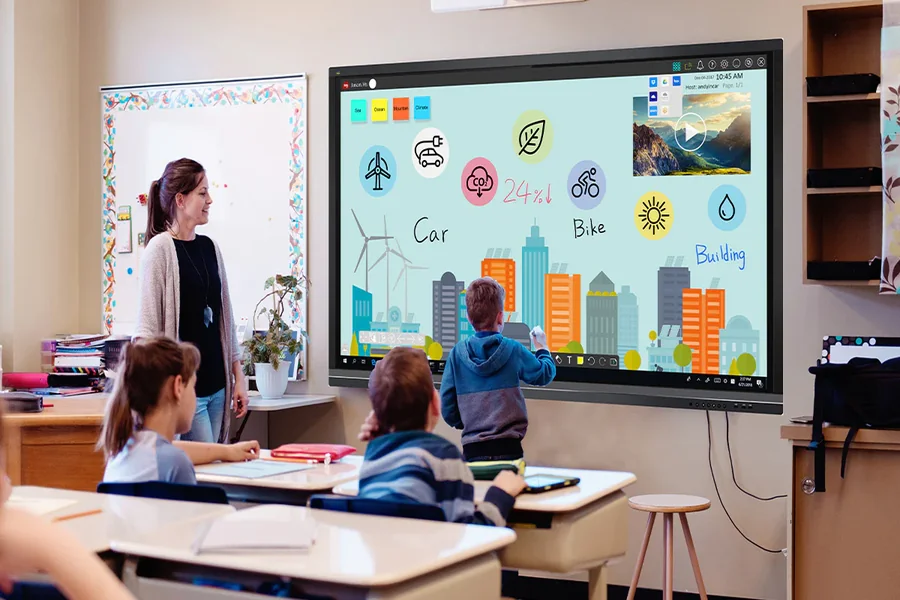
Digital Classroom has transformed the way education is delivered in modern times. With the rise of technology, traditional chalk-and-board teaching has evolved into interactive, tech-driven learning environments. Students and teachers now connect through digital tools, online platforms, and smart devices that make learning more engaging and accessible. This shift has made education more flexible, allowing learners to access knowledge from anywhere in the world while improving overall teaching effectiveness.
Understanding the Concept of a Digital Classroom
A digital classroom is a technology-based learning environment where teaching and learning are conducted using digital tools and online platforms. Instead of relying only on physical textbooks and traditional lectures, educators use multimedia presentations, videos, interactive software, and virtual tools to explain concepts. This approach helps students understand lessons more effectively by combining visual, audio, and interactive elements. It also allows teachers to track student progress more efficiently. The goal of a digital classroom is to make education more engaging, flexible, and accessible for everyone involved.
Key Features of Modern Digital Learning Systems
Modern digital classrooms come with several important features that enhance the learning experience. Interactive whiteboards allow teachers to present lessons in a more dynamic way. Learning management systems help organize course materials, assignments, and assessments in one place. Video conferencing tools enable real-time communication between students and teachers, even from remote locations. Recorded lectures give students the flexibility to revisit lessons anytime they want. These features together create a structured and efficient learning environment that supports both teaching and self-paced learning. Such systems help improve accessibility, organization, and overall learning outcomes for students and educators alike. For more education and technology insights, visit webseriesking.
Benefits of Using Digital Classroom Technology
The benefits of digital classrooms are significant for both students and educators. One of the main advantages is accessibility, as students can learn from any location with internet access. It also increases engagement through interactive content that makes lessons more interesting. Teachers can personalize learning experiences based on student performance and needs. Additionally, digital classrooms reduce the dependency on physical resources, making education more cost-effective in the long run. Collaboration between students also improves through online group activities and discussions, enhancing teamwork and communication skills.
Challenges in Digital Classroom Implementation
Despite its advantages, implementing digital classroom systems comes with certain challenges. One major issue is the lack of access to technology in some regions, which creates a digital divide among students. Internet connectivity problems can also disrupt learning sessions. Teachers may require additional training to effectively use digital tools and platforms. Another challenge is maintaining student focus in an online environment, where distractions are more common. Addressing these challenges requires proper planning, investment in infrastructure, and continuous support for both students and educators.
Role of Teachers in a Digital Learning Environment
Teachers play a crucial role in the success of digital classrooms. They are responsible for adapting traditional teaching methods into digital formats that are easy to understand. Instead of only delivering lectures, teachers now act as facilitators who guide students through interactive learning experiences. They also use data from digital platforms to monitor student performance and provide personalized feedback. Continuous learning and training are important for teachers to stay updated with new technologies. Their ability to combine teaching skills with digital tools determines the overall effectiveness of the learning process. When educators effectively integrate technology into their methods, it enhances student engagement, improves comprehension, and creates a more dynamic classroom experience. For more education and teaching insights, visit latinamakeup.
Future of Digital Classroom Education
The future of digital classrooms looks highly promising as technology continues to advance. Artificial intelligence, virtual reality, and augmented reality are expected to make learning even more immersive. AI-powered systems can provide personalized learning paths for students based on their strengths and weaknesses. Virtual reality can create realistic learning environments for subjects like science and history. As internet access becomes more widespread, digital education will become more inclusive and globally accessible. This evolution will continue to reshape the education system in the coming years.
Final Thought
Digital classrooms represent a major shift in the education system, offering flexible, interactive, and technology-driven learning experiences. While there are challenges in implementation, the long-term benefits far outweigh the limitations. As technology continues to improve, digital learning environments will become even more effective in delivering quality education to students worldwide.
FAQs
What is a digital classroom?
A digital classroom is a learning environment that uses technology and online tools to deliver education in an interactive and flexible way.
How does a digital classroom benefit students?
It helps students access learning materials anytime, improves engagement, and allows personalized learning experiences.
What tools are used in a digital classroom?
Common tools include learning management systems, video conferencing apps, interactive whiteboards, and educational software.
Are digital classrooms better than traditional classrooms?
Digital classrooms offer more flexibility and interactivity, but both systems have their own advantages depending on the learning context.
What is the future of digital classrooms?
The future includes advanced technologies like AI, VR, and AR to create more immersive and personalized learning experiences.
